
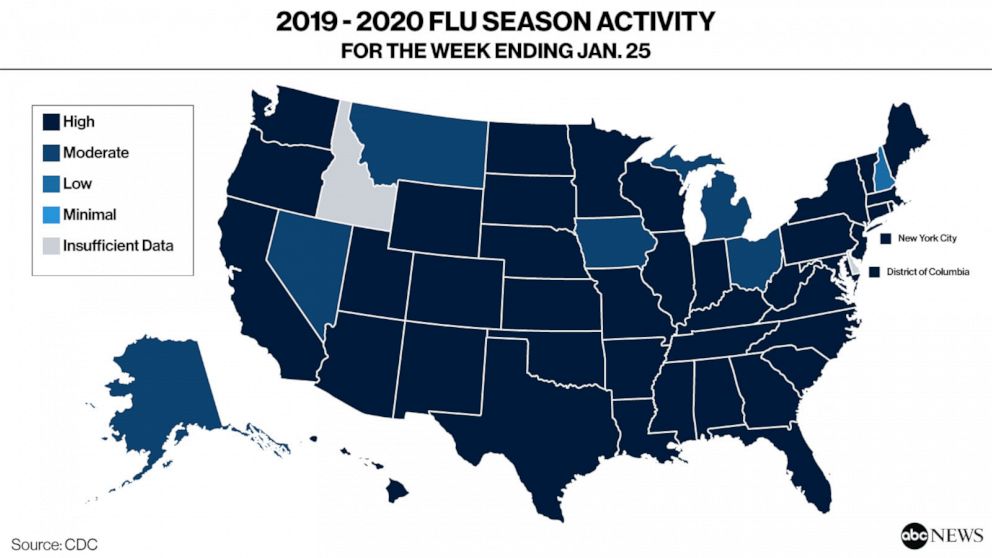
While there’s all the commotion going on around the world about the Coronavirus, the influenza, commonly known as the flu, has also been impacting different areas across the United States. As many know, there is a flu vaccine developed every year to combat the virus and has been known to save many lives, however, according to the U.S. Pharmacist, The Pharmacist’s Resource for Clinical Excellence, the flu “is still the leading cause of death by a vaccine-preventable disease in the United States.” During the 2017-2018 flu season, there were an estimated 49 million people who got the virus and 79,400 deaths noted during the season. While this virus can infect people of all ages, complications are more likely to occur in younger children, people ages 65 and older, and people with underlying medical conditions. Despite the statistics and the strong recommendations to get the flu vaccine, people often choose not to get the vaccine due to their uncertainties . . . surprise surprise, right?
So What Does The Vaccine Do?
The U.S. Pharmacist website goes into great detail about the vaccine and explains the process of the influenza vaccines. When someone receives the flu vaccine, they are getting neutralized antibodies injected in them that go against the surface proteins, hemagglutinin (HA) and neuraminidase (NA). The vaccine is only quantified by the HA content, therefore, effectiveness of the vaccine is determined by HA inhibition. This vaccine is made with either killed or weakened versions of the virus, or as live attenuated versions. There are two types of influenza that go into the vaccine, the human influenza A virus and the influenza B virus. This composition is updated annually based on the circulating viruses and how effective the vaccine was the previous year. The vaccine for the 2019-2020 flu season remained mostly the same except for the change in when the vaccine can be administered. This season, children ages 6 months to 35 months are able to receive a small dose of 0.5 milliliters.
Is The 2019-2020 Vaccine A Hit Or Miss?
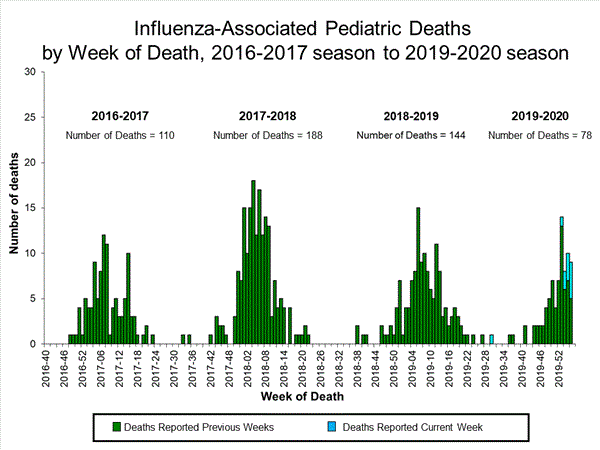
According to an article written on Live Sciences, the strain of flu circulating in the United States does not match this season’s flu vaccine. When the season started, the main strain circulating was influenza B, but this strain is known to show up later in the season, not at the very beginning. In a previous report written in Live Science, they suggested that this influenza strain may be more deadly to children, as 27 children had died from it at the start of the season compared to the 13 deaths from the previous year. Even though the number of deaths increases as the flu season continues, it doesn’t mean the vaccine is useless. According to the article, “data suggest that being vaccinated against one influenza B subgroup strain protects against other influenza B subgroup strains.”
Get Vaccinated!
As mentioned above, even though the vaccine didn’t directly target the virus circulating, it still helps provide protection against other strains. While the CDC reported that the effectiveness of the vaccine isn’t currently available, they still believe vaccination is the best way to prevent the flu and its potentially serious complications.
Although I did not have the chance before and still haven’t had the chance to receive the vaccination this year (yes, I know I sound like a hypocrite), I believe getting the vaccine is better than not getting anything at all. It isn’t too late to get the vaccine now, as we are still in season, but the sooner you receive it the better since the vaccine takes about two weeks to provide protection.

 V's Microbionic