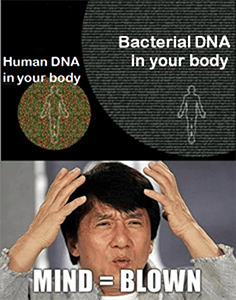
What exactly is the human microbiome? The online dictionary, Britannica, defines the microbiome as “the full array of microorganisms (the microbiota) . . . more specifically, the collection of microbial genomes that contribute to the broader genetic portrait, or metagenome of a human.” So, basically it is all the microorganisms, including bacteria, archaea, etc., located on or within tissues throughout the body. While the microbiome is essential to the human body, many people don’t know exactly what it does or why we even have it. I always had a sense of what the microbiome was, but it wasn’t until my microbiology class that I learned more about it and its importance in our everyday lives. It is necessary for one to understand how essential the microbiome is to the human body as (according to what I learned in class), there are more bacterial cells in the human body than there are human cells! Crazy, right?
Formation & Importance Of Microbiome
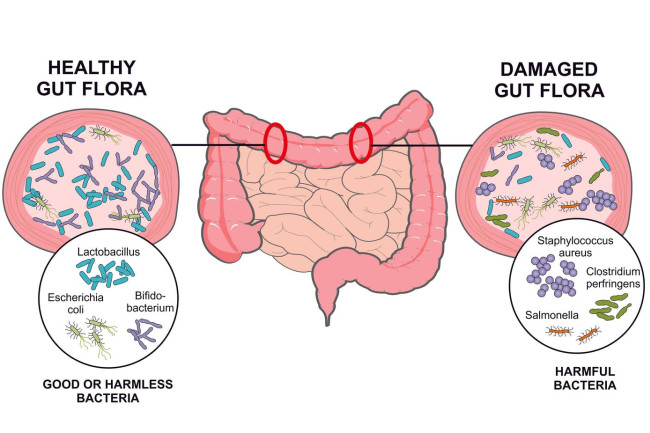
Colonization of microorganisms in the human body begins after a baby is born and continues to develop throughout the rest of their life. From what I learned in class, it takes about three years for a child to get a fully functioning/normal microbiome, so before then, they can be considered immunocompromised. According to an article written in Oxford Academic, The Journal of Nutrition, the largest microbial community is found in the gut and colonization here is dependent upon many factors including things like mode of delivery, diet, and antibiotic use. With the gut microbiome being the largest in the body, it is apparent that it influences the health of every person. The microbiome is crucial in the formation of the immune system and prevention of infections/diseases, but also plays a role in obesity, autoimmune diseases, and neurological diseases. The Oxford Academic article states that “human diseases are often associated with a ‘dysbiosis’ of the gut microbiota, meaning an altered composition or functionality compared with healthy controls.” With this being said, it is not only important for one to understand how to keep their microbiome healthy, but also to learn the negative aspects of it.
Microbiome And Disease
As an example of how the microbiome contributes to disease, in a study posted on Medical News Today, researchers were able to conclude that changing an unhealthy microbiome could prevent chronic diseases by improving cholesterol. Researchers conducted this study on mice that were bred to develop arterial plaque and positively affected their cholesterol levels with a strict diet. Although the study was conducted on mice, this shows an advancement in helping to better understand the human microbiome and how to alter a diet to help humans with chronic diseases, specifically atherosclerosis. As another example of the microbiome being involved in disease, there was a study published on the IOS Press Content Library linking the gut microbiota to Parkinson’s Disease. After the study was conducted, there were several findings that could be repeated to find the same conclusion. All of the studies showed there was an increase in certain kinds of bacteria that were associated with Parkinson’s. While the microbiota may not be directly causing Parkinson’s, it may be affecting the onset of the disease and is an obvious factor in the overall understanding of it.
How To Keep Your Microbiome Healthy
While there’s all this talk about the microbiome being linked to diseases in the human body, I will provide a few ways in which you can keep your microbiome healthy according to Discover Magazine. The most important thing to remember is that “humans need a diverse microbiome” in order to remain healthy and prevent different diseases. Some of the advice provided on Discover included eating a variety of fruits and vegetables, adding resistant starch (potatoes and legumes) to your meals, using different fibers, and getting regular physical activity. If you are able to keep up with most of these, you are on the right path to keeping a healthy microbiome!

 V's Microbionic