Welcome back to V’s Microbionic, today we will be discussing all things polio, specifically, the polio vaccine. Go figure. Personally, I haven’t heard of any recent news circulating about the polio disease but after researching, there is a lot going on with this disease around the world. While the disease may not be a threat in the United States, there are several countries where polio is still endemic. In order to understand why polio is still a threat in these countries, one must be able to understand the different vaccines – the IPV and the OPV – and what polio is. But of course, like all other vaccines, some people who refuse to get these as well for specific reasons.
What Is Polio?
According to the CDC, “polio, or poliomyelitis, is a disabling and life-threatening disease caused by the poliovirus.” This disease can spread from person to person, infecting the spinal cord and causing paralysis. While most people who get infected may be asymptomatic, others can experience flu-like symptoms including a sore throat, fever, nausea, etc. Very few people can develop serious symptoms, affecting the brain and spinal cord, including paresthesia (feeling of pins and needles in the legs), meningitis, and paralysis. Paralysis, being the most severe symptom, can lead to permanent disability and even death as the virus can affect the muscles that assist in breathing.
IPV vs OPV
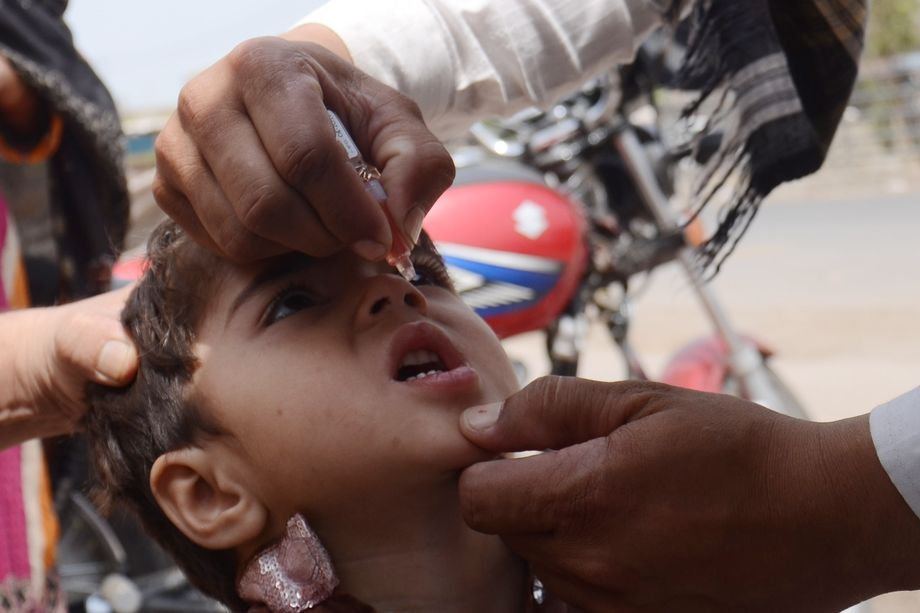
There are two types of vaccines that can prevent polio, the IPV and the OPV. The inactivated poliovirus vaccine (IPV) is an injection in the arm or the leg, depending on the patient’s age while the oral poliovirus vaccine (OPV) is obviously given orally. According to the CDC, almost all children who get the recommended doses of the IPV will be protected from polio. And as I learned from the textbook given in my microbiology class, Nester’s Microbiology, the OPV has the advantage of being cheaper and also induces better mucosal immunity. This allows the antibodies in the throat and intestinal tract to neutralize the poliovirus before it infects cells, preventing the virus from replicating. With these advantages, the OPV is known to provide better herd immunity, however, the attenuated viruses can mutate so children may have to receive both forms of the vaccine among the different doses.
Polio Today
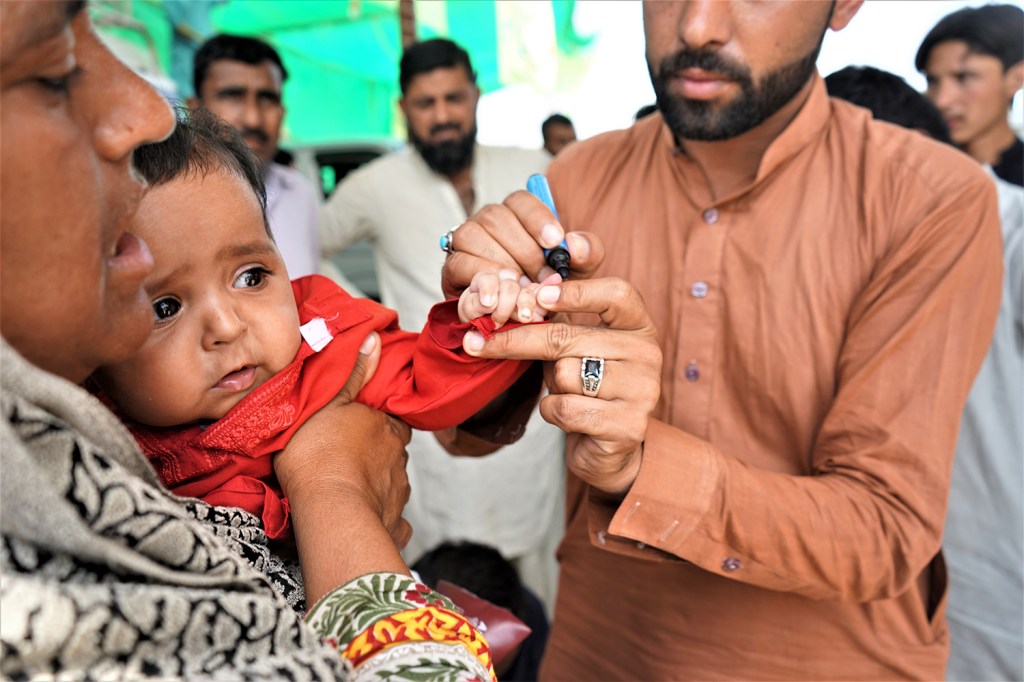
As I mentioned before, polio is not a threat in the United States and hasn’t been for many years, but it has still surfaced around the world. According to an article posted on Polio, Global Eradication Initiative, polio has resurfaced and incidences have increased over the years. The cases increased from 12 in 2018 to 144 by the end of 2019. So far this year, there have been 17 cases of polio recorded in Pakistan, so the Pakistan Polio Eradication Programme is trying to come up with better ideas to respond to this increase. In an article posted on the online magazine, Foreign Policy, it talks about Pakistan’s “secret weapon” against polio to drive up the low vaccination rates. Female healthcare workers and religious leaders are going around to homes trying to encourage people to vaccinate their children. As many as 300 people have rejected the vaccine in a three day period, but they still has hope that they can spread awareness this way. As health care workers would push to get people to vaccinate, it put their own lives at risk as some people were killed because of it, some even take personal guards with them.
Why Do People Refuse To Get This Vaccine?
In the same Foreign Policy article, they mention that some of the polio vaccine resistance comes from a fake vaccination program that was run by the CIA in Pakistan. They used this as an effort to find out more information on Osama bin Laden’s whereabouts. Who would have known? While some people refuse due to the program, others believe the vaccine is part of a Western project to sterilize Muslims! Where do people get this kind of false information? I have no idea. Like many other vaccine refusals, religion can also tie into vaccination beliefs. According to the article, approximately a third of vaccine refusals in Pakistan occur due to religious reasons. In order to try to stop this, pamphlets with endorsements of vaccination are dropped off at every school of Islam and scholars deliver pro-vaccine sermons to the public.
While I do feel for Pakistan and everything going on with this disease, I am more than grateful that this isn’t a problem in the United States. There is still a lot of research that needs to be conducted and a lot of encouraging to do for those that refuse the vaccine, but if they continue to work for it, I believe there will be a change soon.

 V's Microbionic