
Hello, welcome back! It has been a while since I last wrote because it’s been an interesting couple of weeks. Besides that, let’s get straight to it. Today we will be discussing herpes simplex virus type 1 (HSV-1), what it is, transmission, and early prevention.
What Is HSV?
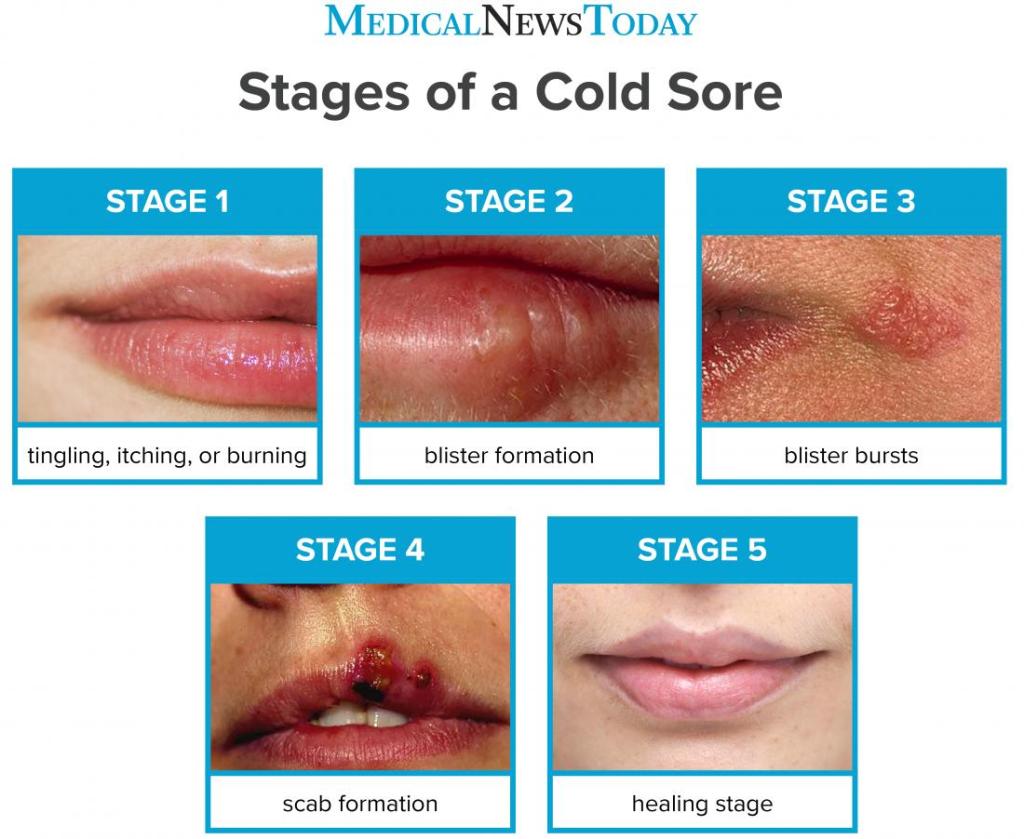
Herpes itself is a viral skin infection caused by the herpes simplex virus (HSV). This virus causes two different types of HSV: type 1 and type 2. Type 1 mainly causes oral herpes while type 2 causes genital herpes, but both can occur in both areas. The cold sores caused by non-genital HSV-1 are known as herpes labialis and appear on people’s lips or in their mouth. According to Medical News Today, some people don’t experience any symptoms, but if symptoms do appear, they are first usually shown as sores. The sores can appear as blisters and can break open and be painful, taking weeks to heal. Some of the first visible signs of herpes are referred to as an “outbreak.” During this “outbreak” people may experience flu-like symptoms including a fever, headaches, body aches, and tiredness. It is very important to know that herpes is transmissible even when no sores or other symptoms are present! Therefore, it is VERY important to know how it is transmitted and how to prevent it!!
Transmission & Prevention
According to another article published on Medical News Today, “transmission of non-genital herpes simplex virus type 1 (HSV-1) occurs during childhood through nonsexual contact, but adults can contract the infection through sexual activity.” HSV-1 can lie dormant in skin cells and neurons under the skin until it is triggered. Because of this, people may experience a burning or tingling sensation on their lips before a cold sore outbreak. When a cold sore bursts and begins oozing, it becomes contagious. People who come in contact with the fluid from an open sore can develop a cold sore themselves within 2 to 20 days after contact. This virus can be spread through kissing, sharing utensils, drinkware, cosmetics, or even towels (if there is fluid from the sore present).
When one begins to feel the symptoms of a cold sore, they may prevent it from happening by treating the cold sores. People with a history of cold sores can usually detect the initial symptoms so they are able to treat the symptoms right away. To reduce the chance of spreading the infection, people should use condoms (duh) during sex. However, it is important to stress that condoms do not offer complete protection against the virus as herpes can live around the genital area that is not covered by the condom. There are more ways to reduce the chance of passing this infection on to a sexual partner, more importantly by telling the partner of the infection before becoming sexually active. The two together can take extra steps including not having sex during an outbreak since the virus can be transferred more easily. The two may wait until all the sores are completely healed before having sex and look for early symptoms of an outbreak. Other recommendations include using a condom even when there are no sores present, washing hands with soap and water after touching a sore, and not kissing people when mouth sores are present.
Abstinence Or Monogamy!
Of course, everyone has their own opinions on when or how to engage in sexual activity, but there is easily one way to be 100% safe from contracting any sexually transmitted infection – abstaining from sex! While some people may abstain from sex completely, it is also better for someone who is sexually active to have only one sexual partner. Personally, I would rather abstain from sex (especially after being in microbiology), but I do not judge anyone who chooses to do otherwise. Just be smart about what you do when it comes to being sexually active!!

 V's Microbionic