Pneumococco–What?

Annnd we’re back to talking about vaccines again. This time, however, we will be discussing pneumococcal pneumonia and its vaccinations.

Pneumococcal pneumonia is caused by a bacterium, pneumococcus, but the bacteria can lead to more serious illnesses like meningitis or septicemia. According to Galveston County, The Daily News, “the death rate due to pneumococcal pneumonia is 5 percent to 7 percent and rises upwards of 60 percent if meningitis or septicemia develop.” Fortunately, there are two vaccines that target the pneumococcus bacteria, the Pneumococcal Conjugate Vaccine (PCV13 or Prevnar 13) and the Pneumococcal Polysaccharide vaccine (PPSV23 or Pneumovax23). According to the CDC, PCV13 is recommended for all children under the age of 2 and people 2 years or older with certain medical conditions. Adults 65 or older may also receive this vaccine but have to speak with their doctor about it. The PPSV23 is recommended for all adults 65 years or older, people ages 2 to 64 with certain medical conditions, and adults ages 19 to 64 who smoke cigarettes.

Which Vaccine Is Better?

While the vaccines can help protect against pneumococcal disease, they cannot prevent all cases, makes sense. According to the Galveston County Daily News article, the PCV13 stimulates the immune system differently than the PPSV23, causing a longer lasting protective response. There were studies performed looking at protection against infections caused by the strains in the specific vaccines, and the CDC posted the results. This study showed that at least 1 dose of pneumococcal conjugate vaccine protected at least 8 out of 10 babies from serious infections, 75 out of 100 adults 65 years or older against invasive pneumococcal disease, and 45 out of 100 adults 65 years or older against pneumococcal pneumonia. At least one dose of pneumococcal polysaccharide vaccine protected between 50 to 85 out of 100 people against invasive pneumococcal disease.
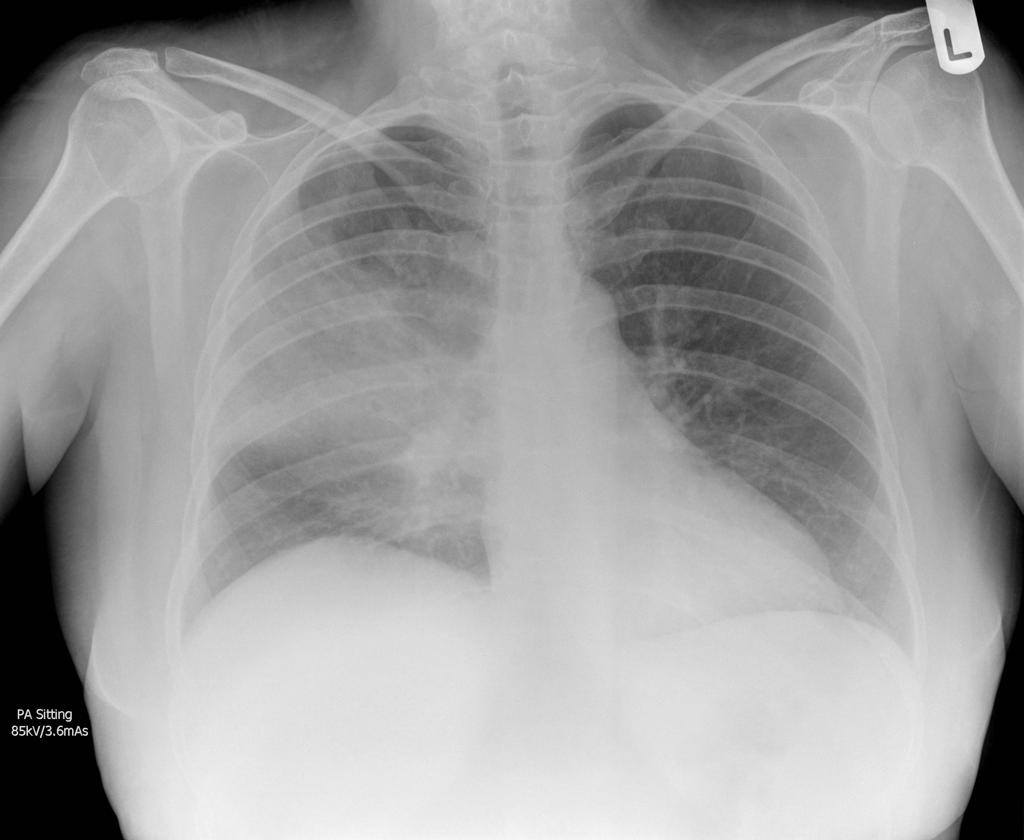
40 year old female with Pneumococcal Pneumonia. Source: Radiopaedia

Stay On Top Of Your Vaccines!

Like most illnesses, vaccines are known to be the leading preventative measure. Of course, like I may have mentioned in my blogs before, vaccines may not be 100% effective but some protection is better than no protection. Since those more at risk for getting pneumococcal pneumonia are young children or older adults, it is better for everyone’s vaccines to be up to date. Even if parents don’t want to look at it a certain way, their loved ones could be spreading the disease to one another without knowing, and the cycle of it going back and forth might be hard to stop. Getting vaccinated is one of the most effective ways for one to stay healthy and not have to worry about falling into any other serious illness. While researching about this, I didn’t come across any anti-vaxxers talking about this vaccine, but I am sure there are people out there who refuse to get it. Don’t be stupid or ignorant, just get the vaccine so everyone can live their life worry free from this disease!
P Is For Polio

Welcome back to V’s Microbionic, today we will be discussing all things polio, specifically, the polio vaccine. Go figure. Personally, I haven’t heard of any recent news circulating about the polio disease but after researching, there is a lot going on with this disease around the world. While the disease may not be a threat in the United States, there are several countries where polio is still endemic. In order to understand why polio is still a threat in these countries, one must be able to understand the different vaccines – the IPV and the OPV – and what polio is. But of course, like all other vaccines, some people who refuse to get these as well for specific reasons.

What Is Polio?

According to the CDC, “polio, or poliomyelitis, is a disabling and life-threatening disease caused by the poliovirus.” This disease can spread from person to person, infecting the spinal cord and causing paralysis. While most people who get infected may be asymptomatic, others can experience flu-like symptoms including a sore throat, fever, nausea, etc. Very few people can develop serious symptoms, affecting the brain and spinal cord, including paresthesia (feeling of pins and needles in the legs), meningitis, and paralysis. Paralysis, being the most severe symptom, can lead to permanent disability and even death as the virus can affect the muscles that assist in breathing.

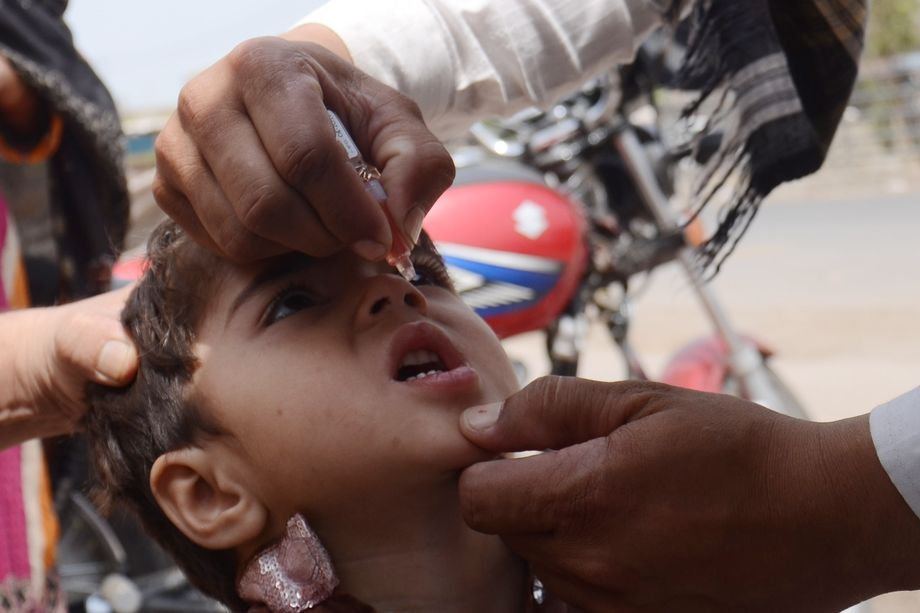
A vaccination team in Pakistan administers polio drops to children. Source: Vox

IPV vs OPV

There are two types of vaccines that can prevent polio, the IPV and the OPV. The inactivated poliovirus vaccine (IPV) is an injection in the arm or the leg, depending on the patient’s age while the oral poliovirus vaccine (OPV) is obviously given orally. According to the CDC, almost all children who get the recommended doses of the IPV will be protected from polio. And as I learned from the textbook given in my microbiology class, Nester’s Microbiology, the OPV has the advantage of being cheaper and also induces better mucosal immunity. This allows the antibodies in the throat and intestinal tract to neutralize the poliovirus before it infects cells, preventing the virus from replicating. With these advantages, the OPV is known to provide better herd immunity, however, the attenuated viruses can mutate so children may have to receive both forms of the vaccine among the different doses.

Polio Today

As I mentioned before, polio is not a threat in the United States and hasn’t been for many years, but it has still surfaced around the world. According to an article posted on Polio, Global Eradication Initiative, polio has resurfaced and incidences have increased over the years. The cases increased from 12 in 2018 to 144 by the end of 2019. So far this year, there have been 17 cases of polio recorded in Pakistan, so the Pakistan Polio Eradication Programme is trying to come up with better ideas to respond to this increase. In an article posted on the online magazine, Foreign Policy, it talks about Pakistan’s “secret weapon” against polio to drive up the low vaccination rates. Female healthcare workers and religious leaders are going around to homes trying to encourage people to vaccinate their children. As many as 300 people have rejected the vaccine in a three day period, but they still has hope that they can spread awareness this way. As health care workers would push to get people to vaccinate, it put their own lives at risk as some people were killed because of it, some even take personal guards with them.

Why Do People Refuse To Get This Vaccine?

In the same Foreign Policy article, they mention that some of the polio vaccine resistance comes from a fake vaccination program that was run by the CIA in Pakistan. They used this as an effort to find out more information on Osama bin Laden’s whereabouts. Who would have known? While some people refuse due to the program, others believe the vaccine is part of a Western project to sterilize Muslims! Where do people get this kind of false information? I have no idea. Like many other vaccine refusals, religion can also tie into vaccination beliefs. According to the article, approximately a third of vaccine refusals in Pakistan occur due to religious reasons. In order to try to stop this, pamphlets with endorsements of vaccination are dropped off at every school of Islam and scholars deliver pro-vaccine sermons to the public.

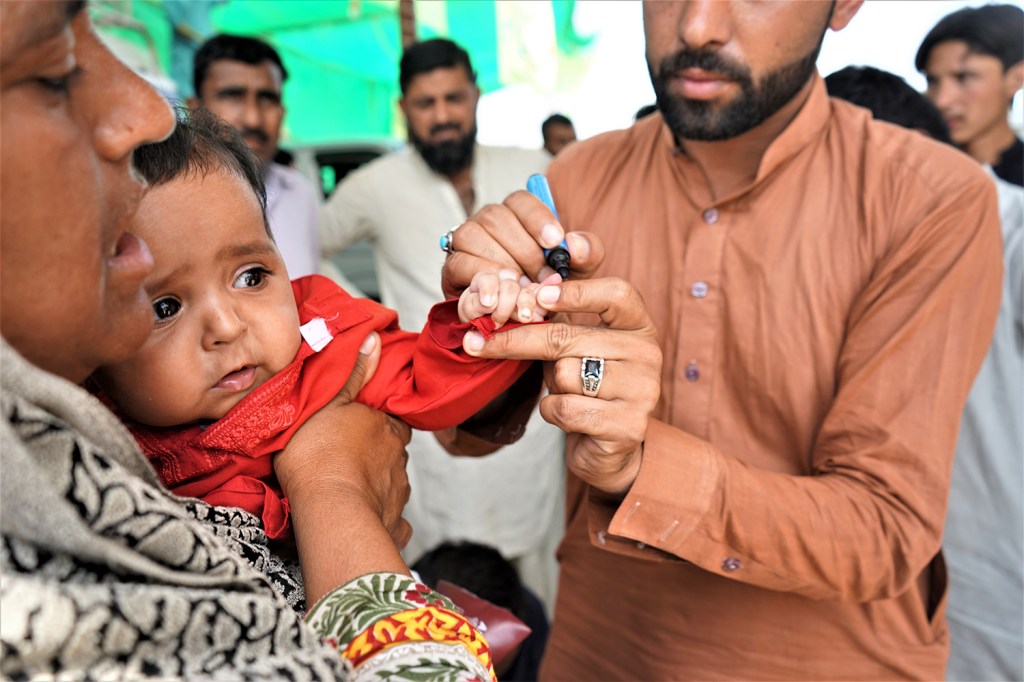
A child has his finger marked to indicate he has been vaccinated after receiving oral polio drops in Rawalpindi, Pakistan. Source: Sabrina Toppa for Foreign Policy

While I do feel for Pakistan and everything going on with this disease, I am more than grateful that this isn’t a problem in the United States. There is still a lot of research that needs to be conducted and a lot of encouraging to do for those that refuse the vaccine, but if they continue to work for it, I believe there will be a change soon.

And We’re Back To The Antivaxxers

As if the Antivaxxers aren’t getting enough attention, now I have to write more about them?!

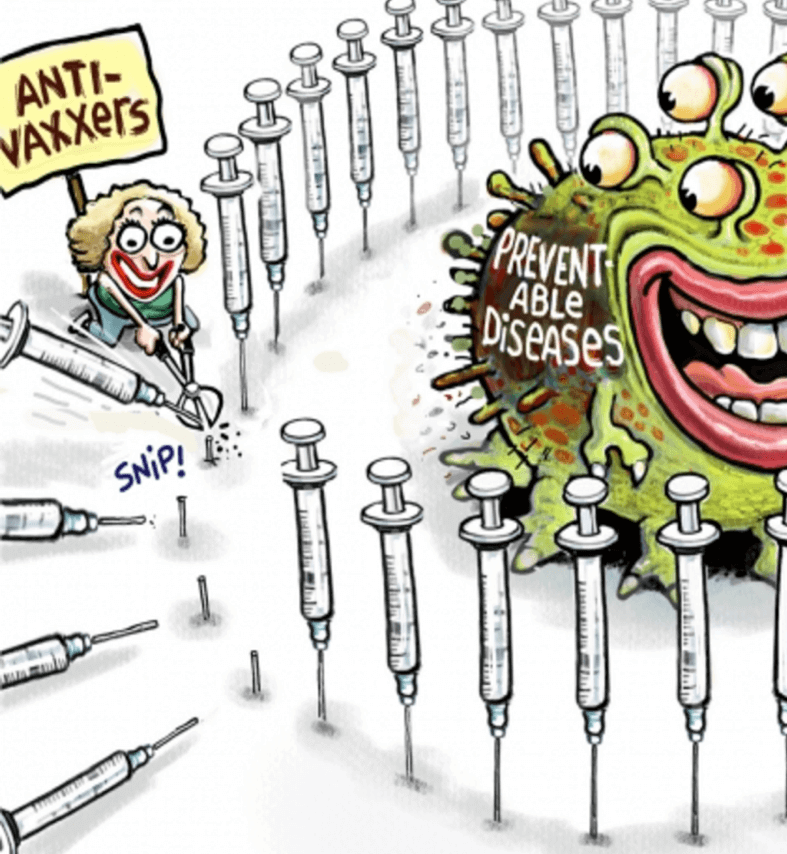
As I have mentioned in previous posts, there are many people around the globe that do not believe in vaccinations, but I never mentioned the actual anti-vax movement. This movement likely began soon after Andrew Wakefield’s study was published, falsely linking autism to the MMR vaccine. People have come together over the years and have rallied around their belief that vaccines cause a variety of different health problems. This movement is growing on the daily and has contributed to many people contracting different illnesses and spreading it among those who have also yet to be vaccinated. Because of this movement, it has come to attention that young children are dying due to their parents’ lack of accurate information. It is harder for health care providers to change people’s views, but they are working with everything they can in a world like today.

Proved False But Still Believe?

In an article published on Quartz, an online magazine, the author mentions that the anti-vax movement is reversing the progress in disease prevention from hundreds of years. This article, published in September 2019, indicated that the World Health Organization announced that it “no longer considers measles to be eradicated in the UK.” This is due to there being measles outbreaks around the country because people are refusing to get their vaccines. Although Andrew Wakefield’s study was retracted and was discredited, people still chose to believe his accusation and no longer vaccinated their children. A survey of 2,600 parents was published by the Royal Society for Public Health and it indicated that 21% of parents thought that the MMR vaccine causes negative side effects, while 10% of parents didn’t vaccinate their children due to their fears of the side effects.

The Unfortunate Ones

Unfortunately, children of anti-vaxer’s are getting the worst of their parent’s beliefs. Because these people are getting misinformed by the public about vaccines and what they do, they choose not to vaccinate their children in fear of their lives. Ironically, these parents are putting their children more in danger by making them more susceptible to illness/disease. Recently, there was a news article that came out on NBC News, saying that Facebook is now vowing to combat vaccine misinformation after a 4-year-old child died from the flu. According to the article, there is a Facebook group named “Stop Mandatory Vaccination” where people spread false health information. It was on this page where the mother of the 4-year-old child posted about her son running a fever and having a seizure, later posting that the doctor had prescribed Tamiflu for everyone in the house and she failed to pick up the prescription. Of all the comments on the post, none of them suggested medical attention and the child was eventually hospitalized and died four days later.

This is probably one of many stories like it where children have died due to their parents’ ignorance. The spread of false information isn’t doing anything but hurting those who have no control over their lives yet. It is crucial for the anti-vax movement to end and doctors to try to get parents on board about vaccinating their children. It is stories like these that break my heart and make me wish even more there was something I could do to help these parents change their minds. Hopefully, with the spread of accurate information from doctors and health care professionals, the anti-vax movement will eventually come to an end.

This Is What We’re Made Of

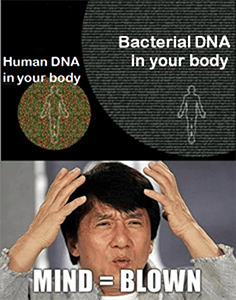
What exactly is the human microbiome? The online dictionary, Britannica, defines the microbiome as “the full array of microorganisms (the microbiota) . . . more specifically, the collection of microbial genomes that contribute to the broader genetic portrait, or metagenome of a human.” So, basically it is all the microorganisms, including bacteria, archaea, etc., located on or within tissues throughout the body. While the microbiome is essential to the human body, many people don’t know exactly what it does or why we even have it. I always had a sense of what the microbiome was, but it wasn’t until my microbiology class that I learned more about it and its importance in our everyday lives. It is necessary for one to understand how essential the microbiome is to the human body as (according to what I learned in class), there are more bacterial cells in the human body than there are human cells! Crazy, right?

Formation & Importance Of Microbiome

Colonization of microorganisms in the human body begins after a baby is born and continues to develop throughout the rest of their life. From what I learned in class, it takes about three years for a child to get a fully functioning/normal microbiome, so before then, they can be considered immunocompromised. According to an article written in Oxford Academic, The Journal of Nutrition, the largest microbial community is found in the gut and colonization here is dependent upon many factors including things like mode of delivery, diet, and antibiotic use. With the gut microbiome being the largest in the body, it is apparent that it influences the health of every person. The microbiome is crucial in the formation of the immune system and prevention of infections/diseases, but also plays a role in obesity, autoimmune diseases, and neurological diseases. The Oxford Academic article states that “human diseases are often associated with a ‘dysbiosis’ of the gut microbiota, meaning an altered composition or functionality compared with healthy controls.” With this being said, it is not only important for one to understand how to keep their microbiome healthy, but also to learn the negative aspects of it.

Microbiome And Disease

As an example of how the microbiome contributes to disease, in a study posted on Medical News Today, researchers were able to conclude that changing an unhealthy microbiome could prevent chronic diseases by improving cholesterol. Researchers conducted this study on mice that were bred to develop arterial plaque and positively affected their cholesterol levels with a strict diet. Although the study was conducted on mice, this shows an advancement in helping to better understand the human microbiome and how to alter a diet to help humans with chronic diseases, specifically atherosclerosis. As another example of the microbiome being involved in disease, there was a study published on the IOS Press Content Library linking the gut microbiota to Parkinson’s Disease. After the study was conducted, there were several findings that could be repeated to find the same conclusion. All of the studies showed there was an increase in certain kinds of bacteria that were associated with Parkinson’s. While the microbiota may not be directly causing Parkinson’s, it may be affecting the onset of the disease and is an obvious factor in the overall understanding of it.

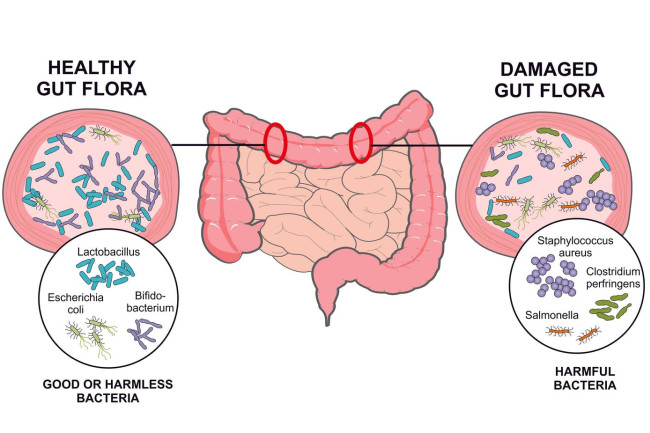
Good vs. Bad Bacteria Source: Discover

How To Keep Your Microbiome Healthy

While there’s all this talk about the microbiome being linked to diseases in the human body, I will provide a few ways in which you can keep your microbiome healthy according to Discover Magazine. The most important thing to remember is that “humans need a diverse microbiome” in order to remain healthy and prevent different diseases. Some of the advice provided on Discover included eating a variety of fruits and vegetables, adding resistant starch (potatoes and legumes) to your meals, using different fibers, and getting regular physical activity. If you are able to keep up with most of these, you are on the right path to keeping a healthy microbiome!

Update, Update, Hear All About It

As the Coronavirus continues to spread throughout China, the United States, and different areas across the continents, more and more information continues to come about it. When I created my last post about the virus, it was still unaware how exactly the virus spread or how easily it would spread from person to person. Since then, the World Health Organization (WHO) has worked with various experts to expand more scientific information about the virus. They have worked on tracking the spread, the severity, and have provided advice on how to protect oneself and prevent the spread any further. While a lot of the preventative information may be the same, more importantly, they have been able to find more information on where the disease may have come from and how it may be spread.

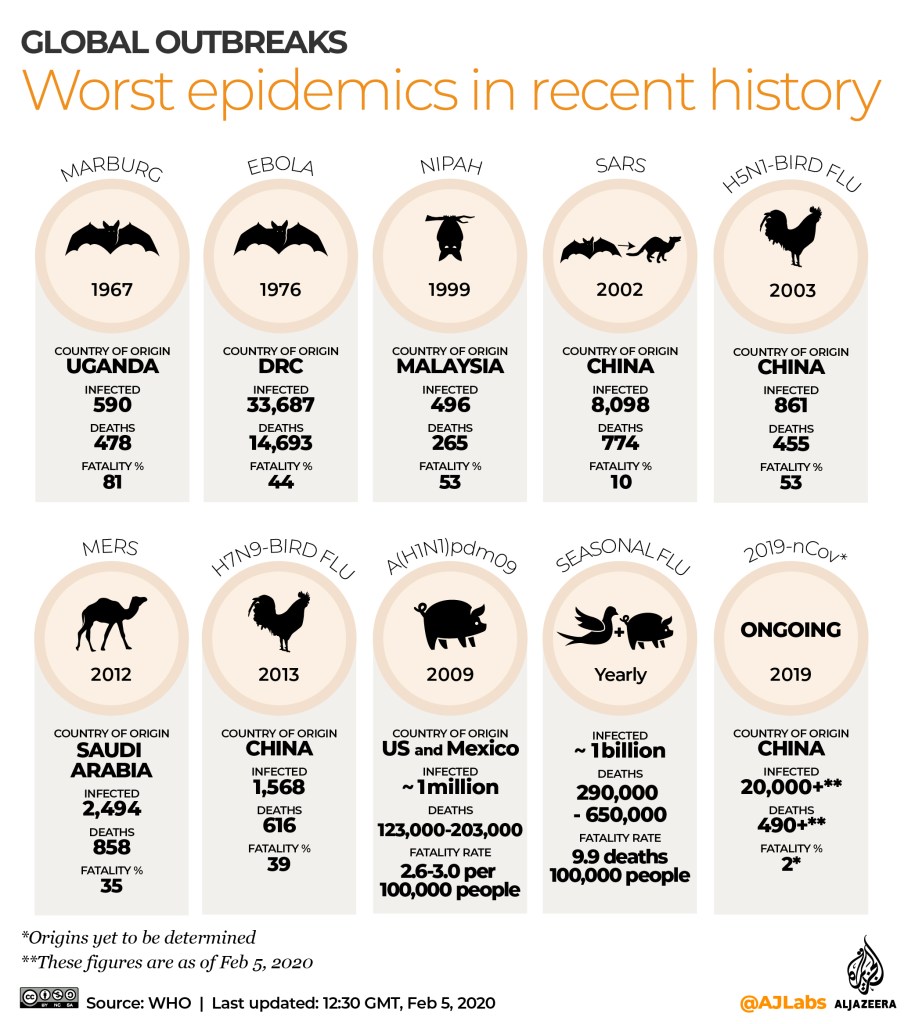
Zoonotic Global Outbreaks, Source: WHO/AlJazeera

The Virus Came From An Animal?

According to WHO and an article published on the Al Jazeera Media Network, an independent news organization, coronaviruses are considered to be zoonotic, meaning “they are transmitted between animals and people.” When the outbreak started in China, the first group of people who identified with the disease had pneumonia, but were also associated with a seafood and live animal market in Wuhan. However, the animal source for this new coronavirus has not yet been identified. Based on the video on the WHO website about the Novel coronavirus, zoonotic diseases are able to spread from animals to humans through due to mutations in the virus or increased contact between humans and animals. Those considered more at risk of contracting the coronavirus are people who are in close contact with animals, such as live animal market workers, and those who care for others with infection.

Remain Aware

Because the coronavirus is a respiratory virus, it is transmitted through droplet transmission created when those infected cough or sneeze. It can also be spread through personal contact, touching an object that has been contaminated, and through fecal contamination. There have been people who have reported to have no symptoms, while others have included fever, cough, and shortness of breath. The CDC believes the incubation period, the period between exposure and onset of symptoms, is anywhere from 2 to 14 days. According to the South China Morning Post, the virus can be transmitted during the incubation period, so I mentioned in my last post, I believe preventative measures should be taken at all times.

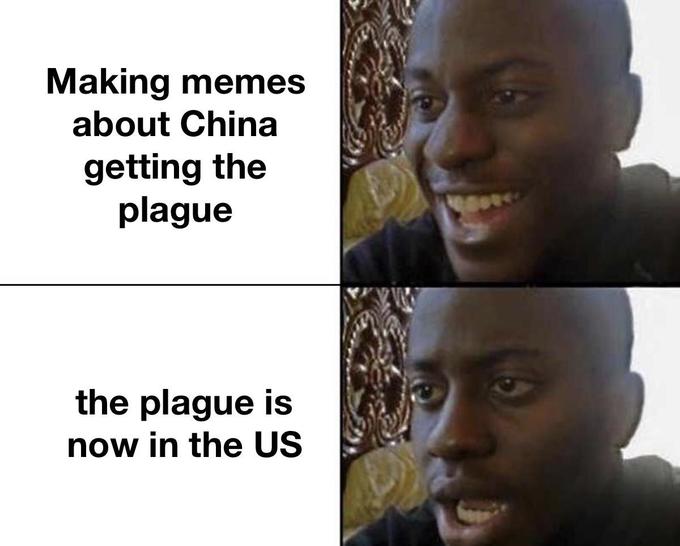
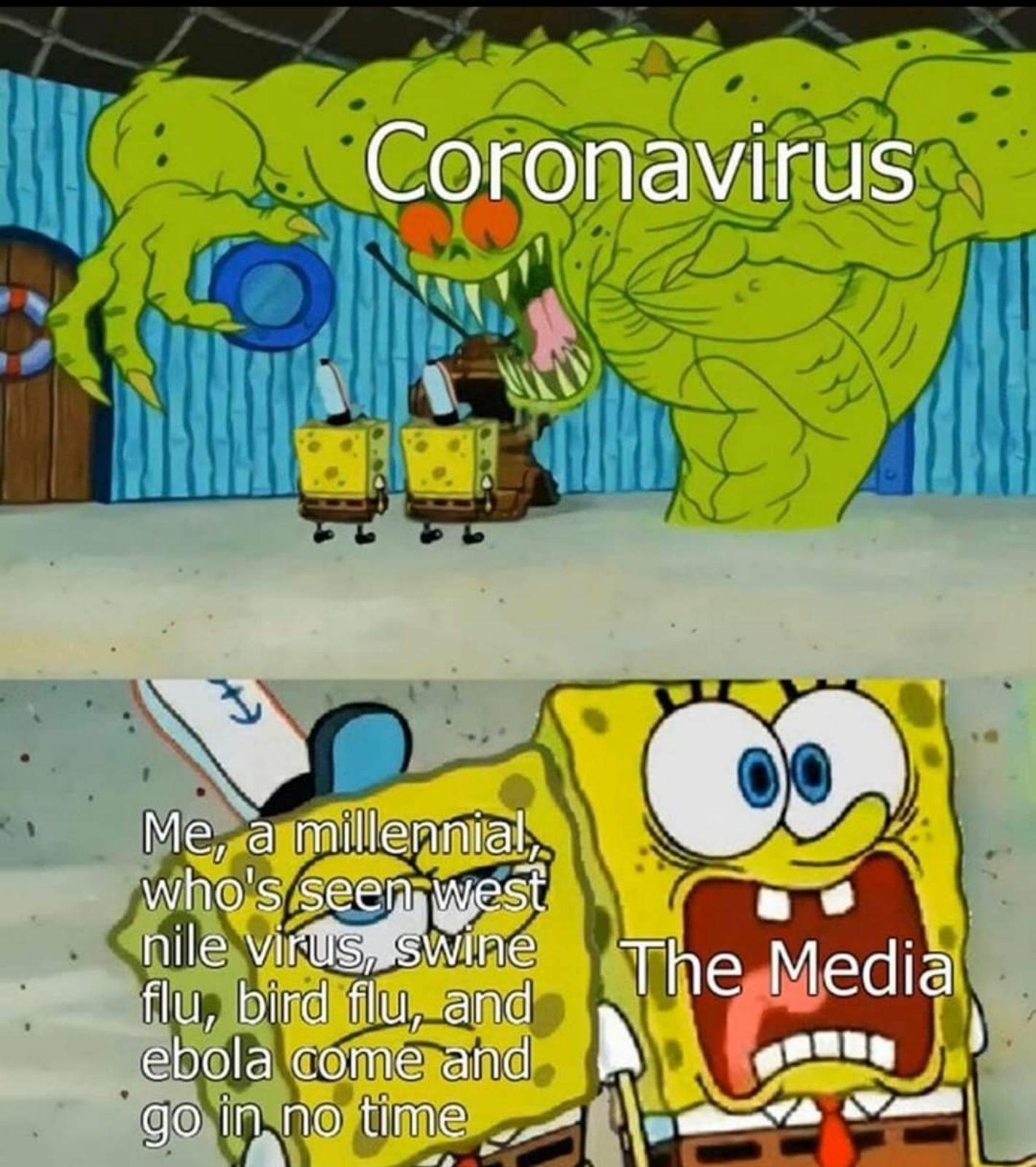
Even though the virus seems to be spreading rapidly, I believe that every bit of new information received is a step in the right direction. Although I am not a real microbiologist, it is easier for me to cope with the spread of the disease and understand things about it as we learn more about viruses in class. Despite all the bad news going around the world, the memes surfacing the internet make things more lighthearted.

All This Talk about the Coronavirus, Let’s Not Forget about the Flu

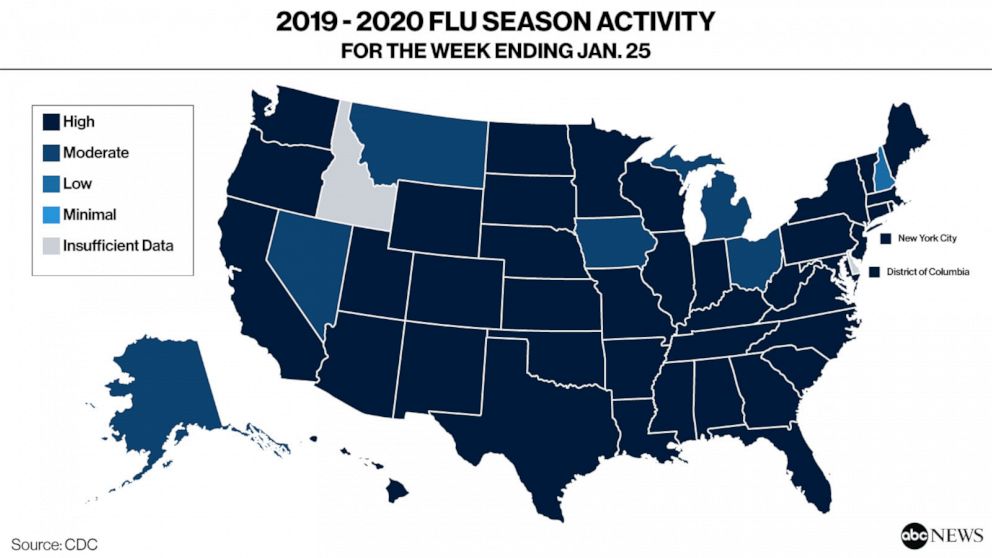
While there’s all the commotion going on around the world about the Coronavirus, the influenza, commonly known as the flu, has also been impacting different areas across the United States. As many know, there is a flu vaccine developed every year to combat the virus and has been known to save many lives, however, according to the U.S. Pharmacist, The Pharmacist’s Resource for Clinical Excellence, the flu “is still the leading cause of death by a vaccine-preventable disease in the United States.” During the 2017-2018 flu season, there were an estimated 49 million people who got the virus and 79,400 deaths noted during the season. While this virus can infect people of all ages, complications are more likely to occur in younger children, people ages 65 and older, and people with underlying medical conditions. Despite the statistics and the strong recommendations to get the flu vaccine, people often choose not to get the vaccine due to their uncertainties . . . surprise surprise, right?

So What Does The Vaccine Do?

The U.S. Pharmacist website goes into great detail about the vaccine and explains the process of the influenza vaccines. When someone receives the flu vaccine, they are getting neutralized antibodies injected in them that go against the surface proteins, hemagglutinin (HA) and neuraminidase (NA). The vaccine is only quantified by the HA content, therefore, effectiveness of the vaccine is determined by HA inhibition. This vaccine is made with either killed or weakened versions of the virus, or as live attenuated versions. There are two types of influenza that go into the vaccine, the human influenza A virus and the influenza B virus. This composition is updated annually based on the circulating viruses and how effective the vaccine was the previous year. The vaccine for the 2019-2020 flu season remained mostly the same except for the change in when the vaccine can be administered. This season, children ages 6 months to 35 months are able to receive a small dose of 0.5 milliliters.

2019-2020 Flu Season Activity Source: ABC News/CDC

Is The 2019-2020 Vaccine A Hit Or Miss?

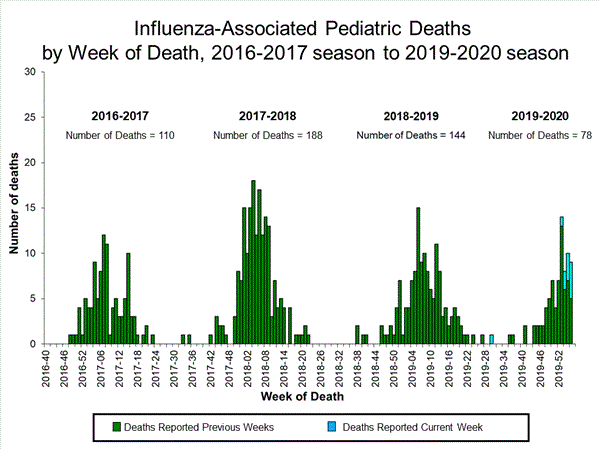
According to an article written on Live Sciences, the strain of flu circulating in the United States does not match this season’s flu vaccine. When the season started, the main strain circulating was influenza B, but this strain is known to show up later in the season, not at the very beginning. In a previous report written in Live Science, they suggested that this influenza strain may be more deadly to children, as 27 children had died from it at the start of the season compared to the 13 deaths from the previous year. Even though the number of deaths increases as the flu season continues, it doesn’t mean the vaccine is useless. According to the article, “data suggest that being vaccinated against one influenza B subgroup strain protects against other influenza B subgroup strains.”

Influenza-Associated Pediatric Deaths Source: CDC

Get Vaccinated!

As mentioned above, even though the vaccine didn’t directly target the virus circulating, it still helps provide protection against other strains. While the CDC reported that the effectiveness of the vaccine isn’t currently available, they still believe vaccination is the best way to prevent the flu and its potentially serious complications.

Although I did not have the chance before and still haven’t had the chance to receive the vaccination this year (yes, I know I sound like a hypocrite), I believe getting the vaccine is better than not getting anything at all. It isn’t too late to get the vaccine now, as we are still in season, but the sooner you receive it the better since the vaccine takes about two weeks to provide protection.

The Coronavirus? Who Is She?

Recently, there have been hundreds of articles circulating online and news reports on TV about a respiratory illness outbreak caused by a coronavirus. But what is this virus and why does it sound so new to everyone?

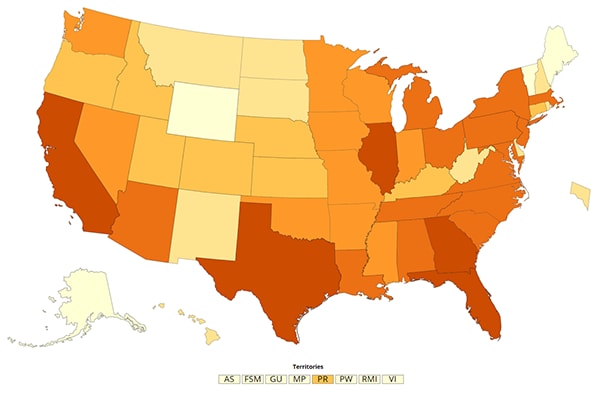
According to the CDC, this virus was first detected in Wuhan City, Hubei Province, China and is continuing to expand throughout the country and now into international locations, including the United States. The first confirmed case in the US was reported on January 30, 2020 between two people, representing the first person-to-person contact spread. There have been previous cases in the US, however, they had been associated with travel to China, while this patient had not traveled outside of the US. The CDC began working closely with state and local partners and are said to believe the risk to American public is low. However, they are still unaware of how easily the virus can be spread from person-to-person, so they have put out preventative measures. Some examples of recommendations include washing your hands with soap and water for at least 20 seconds, avoiding touching your eyes, nose, and mouth with unwashed hands, and avoiding close contact with people who are sick.

2019-nCoV cases within the U.S.
The 2019 Coronavirus in the U.S. Source: CDC

Time Magazine revealed that the Trump Administration “declared a public health emergency in the US” stating that any foreigner who ‘pose a risk’ could be denied entry into the United States. For those who had traveled to China and returned to the United States, they were to be quarantined for 14 days upon arrival in order to contain the threat of spreading. The US isn’t the only country to take extensive precautionary measures, however, places like Britain and France have suspended all flights to China also. American Airlines also announced they would cancel all flights to China, this of course took place after the company was being sued by their pilots to cancel the flights . . . go figure.  

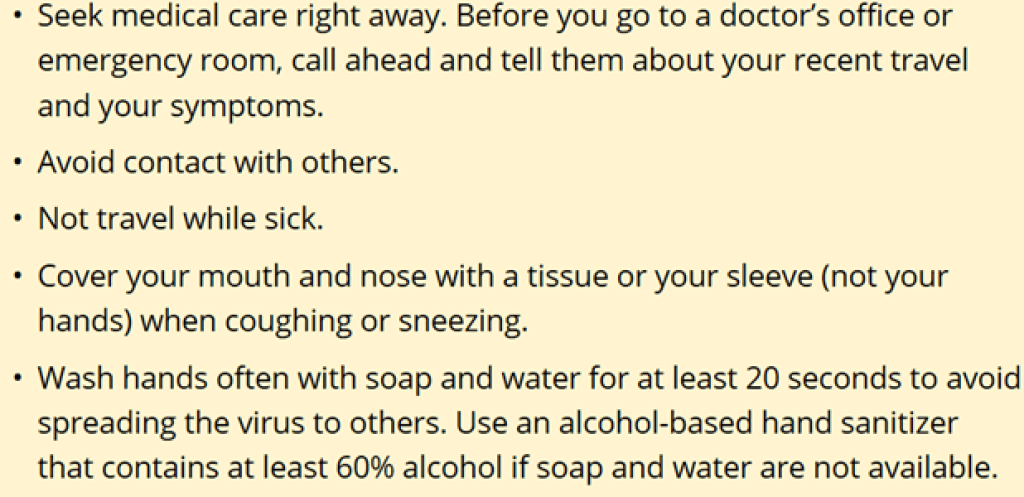
Despite all the commotion, I believe the only way to reassure that you do everything you can in your power to prevent getting sick is by following the CDC guidelines. There is still no set treatment for this virus, so everyone just follow the guidelines!! While it is said that some people infected may not show any signs or symptoms, if you feel sick with a fever, cough, or difficulty breathing, here is a list of things you can do (according to the CDC):

Measures to take if experiencing symptoms, Source: CDC

While at first I did feel scared/nervous about the coronavirus reaching the United States, I know (at least I hope) that the virus will soon get controlled and will no longer be a huge threat to society. With the CDC working closely with heath officials, I believe that there will be no need to respond with drastic measures. The news can of course blow things out of proportion.

Image result for coronavirus meme
Source: Ruin My Week

To Those Who Think Vaccines Should Be Optional . . . They SHOULDN’T

Imagine This

You are in England in the year 1998 and you come across an article in the Lancet claiming the MMR vaccine is linked to autism. What do you do? What does anyone do? At this point you have already vaccinated your children and you begin to second guess your decisions, but there is no going back. The news spreads like wildfire and everyone begins to go crazy, calling their doctors to ask a million questions and now refusing to vaccinate their children in the future, creating a larger problem for the health of others.

I assume this was the way that most people reacted when they read the study published by Andrew Wakefield, a former gastroenterologist, along with some colleagues.  

The ‘Study’

Wakefield hypothesized that the MMR vaccine triggered a gastrointestinal disease and the development of autism. They tested this hypothesis by conducting a study on twelve children who had received the vaccine and presented with gastrointestinal issues as well as signs of autism. So, to begin, the study was already biased because the participants chosen were already showing ‘effects’ of the illnesses.

Participants were introduced to the study based on physician self-referral and underwent various evaluations, including biopsies, MRIs, EEGs, and lumbar punctures. The results showed that eight of the twelve participants experienced an onset of behavioral symptoms, while all twelve had intestinal abnormalities. Despite the numbers, however, the evidence presented cannot establish a correlation between the vaccine and the onset of symptoms.

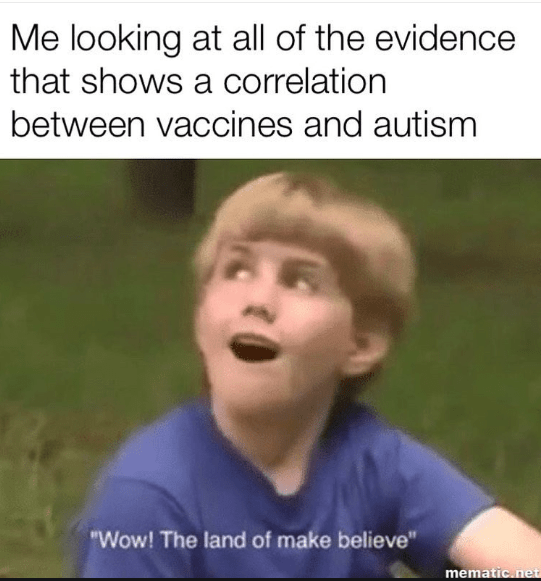
Source: https://cheezburger.com/7199493/22-dank-anti-vaxxer-memes-that-favor-science

He Played Himself

Get this! According to the Indian Journal of Psychiatry, after the study was published, 10 of the 12 co-authors of the article retracted an interpretation of the original data saying that there was never an establishment between the MMR vaccine and autism because they didn’t have sufficient data. It was also revealed that the study was “funded by lawyers who had been engaged by parents in lawsuits against vaccine-producing companies” (Rao and Andrade, Indian Journal of Psychiatry). The whole article was retracted in February 2010 after the authors admitted several elements in the study were incorrect, and they were found guilty of deliberate fraud.

There were even further studies done by independent researchers, but none were able to verify the findings of the original study.

Image result for vaccines meme
Source: https://www.mommyish.com/pro-vaccination-memes/

The Rise of Anti-Vaxxers

After Andrew Wakefield’s study was published, the MMR vaccination rates dropped significantly around the world. His study left many parents frightened about getting their children vaccinated even though the results were refuted. According to Cureus, The Journal of Medical Science, This has led to there being measles outbreaks in Western countries, even in places where the disease was considered ‘eliminated.’ There has also been an increase in the number of deaths due to the measles (no surprise here), yet people are still refusing to vaccinate their children. The rise of anti-vaccinators persists today, posing a threat to the health of global communities as well as herd immunity.

Although there may not be a way to change every anti-vaxxer’s mind, I believe it is important for health care workers to educate parents on the importance of vaccines despite their beliefs. The spread of accurate information may help combat the anti-vaccination movement and may help save a few lives.

Welcome to My Blog!

Hello there and welcome to my blog!

My name is Vanessa Vazquez-Castro and I am currently a sophomore studying at the University of North Carolina at Chapel Hill. I am a Pre-Nursing major with hopes of becoming a Registered Nurse and eventually doing some more schooling to become a Nurse Practitioner. I come from a big family of six kids, I being a first generation student. I was born and raised on a little strip of sandbar known as the Outer Banks of North Carolina, so coming to this university was a huge change for me! Being from the beach, I enjoy being outdoors and traveling to different places, but also wouldn’t mind a day to stay in and relax.

Sun rises over storm at Avalon Fishing Pier on the Outer Banks, NC.
Rising Sun Over Avalon Pier by Daniel Waters